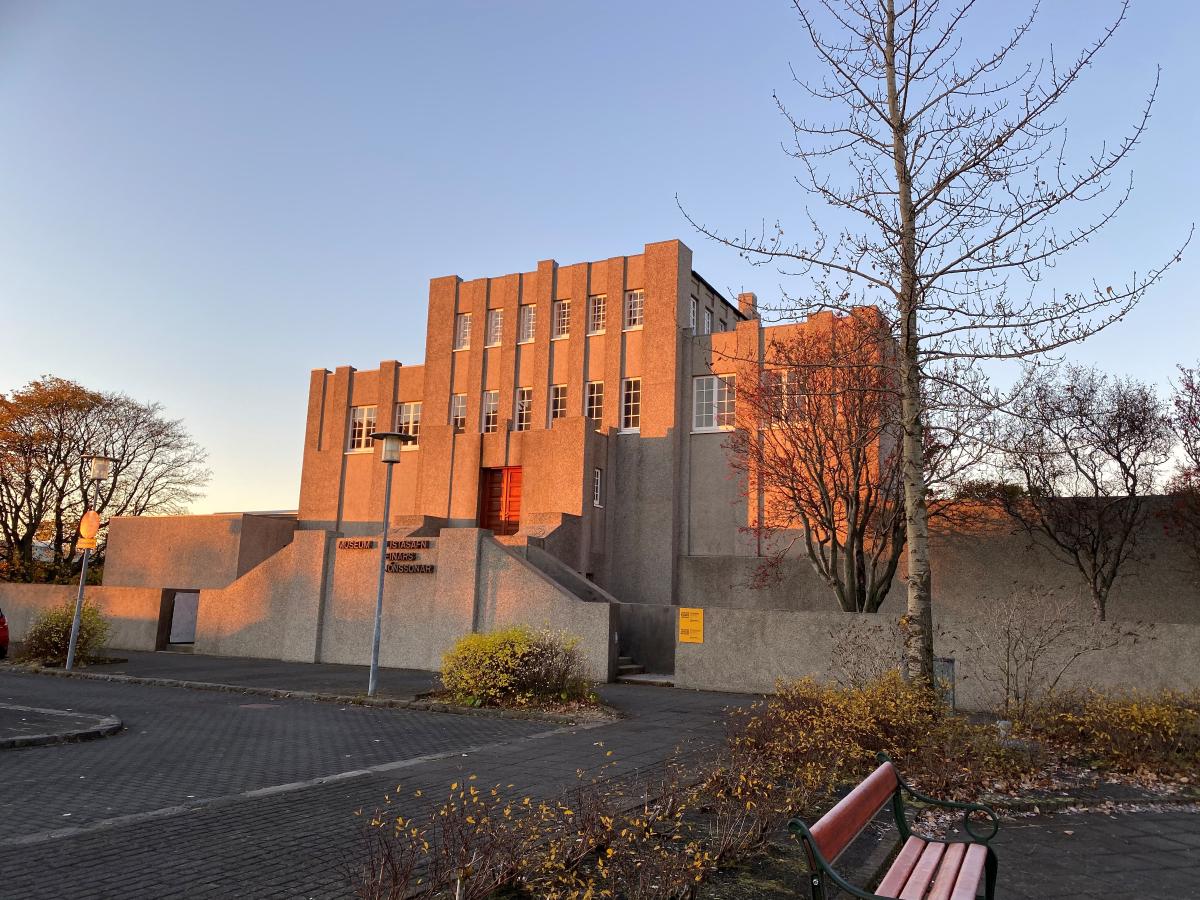
The Einar Jónsson Sculpture Museum
In 1909 sculptor Einar Jónsson (1874-1954) wrote to Alþingi (the Icelandic parliament) offering all his works of art as a gift to the Icelandic nation, on condition that a building be provided to house them. Five years later the gift was accepted, and the government allocated one-third of the funding for the building. The rest was raised from the Icelandic public; the names of the donors may be seen in the museum. The opening of the museum on 24 June 1923 marked an important turning-point in Icelandic art history: it was Iceland’s first public art museum on its own premises.
Einar chose a site for the museum on the hilltop of Skólavörðuholt; the design of the building was based upon the artist‘s own proposal, which he moulded in clay; hence the museum building may be seen as Einar Jónsson‘s largest sculpture. Within the museum he worked on his art, displayed his works, and made his home. The museum’s collection comprises over 350 works of art from Einar’s 60-year career as an artist, along with many objects relating to the life and work of the artist and his wife Anna Marie Mathilde Jørgensen.
Anna assisted her husband with his art in many ways. The couple lived on the top floor of the museum building, while the kitchen and bathroom were on the ground floor. After Einar’s death Anna continued to work in the museum, of which she remained director into her 80s. Around 1970 she opened the top-floor apartment to the public, thus providing visitors with insight into the couple‘s life.
Outside the museum is a spacious sculpture garden where 26 bronze casts of works by Einar Jónsson are displayed. The garden is open to all; it is a delightful place to visit and enjoy the works of art. Access to the garden is from Njarðargata and Freyjugata.